Slot games are one of the most popular forms of gambling, attracting millions of players worldwide. While all slot games share the same basic mechanics—spinning reels and matching symbols—some are far more addictive than others. The reason lies in a combination of psychological, technological, and design elements that keep players engaged for long periods.
Understanding why certain slot games are more addictive can help players make informed decisions about their gambling habits. Developers also use these insights to create more immersive and engaging experiences. Several factors contribute to the addictive nature of slots, including game design, reward systems, and the psychological impact of near-misses and bonus features.
The Role of Game Design in Slot Addiction
The way a slot game is designed plays a significant role in its ability to keep players engaged. From the visuals to the mechanics, every aspect is carefully crafted to maximize excitement and encourage prolonged play.
The Power of Visual and Audio Stimuli
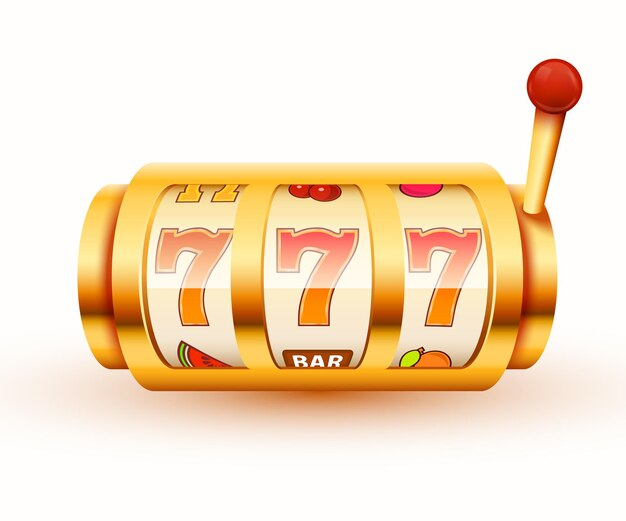
Slot games use bright colors, flashing lights, and engaging animations to capture attention. Every spin is accompanied by sound effects, such as the jingling of coins or celebratory music, which creates a sense of excitement. These elements trigger a player’s brain to associate the game with pleasure, making it difficult to stop playing.
Fast-Paced Gameplay
Unlike traditional casino games, slot machines offer quick rounds with minimal decision-making. This fast-paced action keeps players engaged and creates a sense of momentum. The faster the spins, the more likely players are to continue playing without realizing how much time has passed.
The Illusion of Control
Some slot gacor hari ini games allow players to interact with the reels by stopping them manually. While the outcome is still determined by a random number generator (RNG), this feature creates an illusion of control. Players may feel like their actions influence the results, making them more likely to keep spinning.
Psychological Triggers That Increase Addiction
Slot games are designed to take advantage of certain psychological principles that encourage continuous play. These mechanisms tap into the way the human brain processes rewards, excitement, and risk.
The Near-Miss Effect
One of the most powerful psychological triggers in slot gaming is the near-miss effect. When players see two matching symbols on the reels but miss the third by a single position, their brain perceives it as “almost winning.” This feeling of being close to a win creates a strong urge to keep playing, even though each spin is independent of the last.
Random Rewards and Variable Reinforcement
Slot machines operate on a system known as variable reinforcement. This means that wins occur unpredictably, which keeps players engaged. When rewards are random, the brain releases dopamine—a chemical associated with pleasure and motivation. The unpredictability of wins makes players want to keep spinning in hopes of hitting the next big payout.
The Impact of Free Spins and Bonus Rounds
Many slot games include free spins, bonus rounds, and mini-games to keep players engaged. These features provide additional chances to win without requiring extra bets, making the game feel more rewarding. Bonus rounds often come with immersive animations and interactive elements, adding to the excitement and encouraging longer play sessions.
How Game Features Increase Engagement
Certain slot features are specifically designed to keep players invested for longer periods. These elements enhance excitement and create a sense of anticipation, making it difficult to walk away.
Progressive Jackpots
Progressive jackpot slots are among the most addictive types of slot games. These games feature a prize pool that increases over time as more players place bets. The possibility of winning a life-changing sum keeps players engaged, even if the odds of hitting the jackpot are extremely low.
Cascading Reels and Multipliers
Some modern slots feature cascading reels, where winning symbols disappear and new ones fall into place, creating multiple winning opportunities within a single spin. When combined with multipliers that increase with consecutive wins, these features create a rewarding loop that encourages continued play.
Unlockable Content
Many slot games include unlockable content such as new levels, themes, or game modes. These features create a sense of progression, making players feel like they are working towards a goal rather than simply spinning for wins. This approach is similar to video games, where players are motivated to keep playing to unlock new rewards.
The Role of Mobile Gaming in Slot Addiction
The rise of mobile gaming has made slot games more accessible than ever. Players can now enjoy slots anytime, anywhere, increasing the likelihood of extended play sessions.
Instant Access and Convenience
Mobile slots are designed for quick, easy access. Players can launch a game within seconds, making it tempting to play during free moments throughout the day. The convenience of mobile gaming removes barriers that might otherwise limit playtime.
Push Notifications and In-Game Offers
Many mobile slot games use push notifications to remind players about special promotions, free spins, or new game releases. These notifications create a sense of urgency, encouraging players to return to the game even if they had no intention of playing.
Conclusion
Some slot games are more addictive than others due to a combination of game design, psychological triggers, and engaging features. Elements such as near-misses, fast-paced gameplay, random rewards, and interactive bonus rounds keep players engaged for longer periods. Mobile gaming has further increased accessibility, making it easier than ever to play.
Understanding these factors can help players make more informed choices and recognize when they are playing out of enjoyment versus compulsion. While slot games are designed for entertainment, being aware of their addictive qualities can help maintain a balanced and responsible gaming experience.
